
Blog
Il bergamotto di Reggio Calabria, dal profumo alla tavola

Un profumo? Un succo di frutta? Un digestivo?
Il bergamotto è tutto questo, e può essere ancora tanto altro. Vanto della regione Calabria, il bergamotto è un agrume molto particolare, da cui si ricava un olio certificato, il Bergamotto di Reggio Calabria – Olio essenziale DOP. Molto versatile, è alla base di profumi ed essenze, ma – scetticismo a parte – si può usare in cucina, non solo nelle preparazioni dolci, anche in quelle salate.
Le caratteristiche
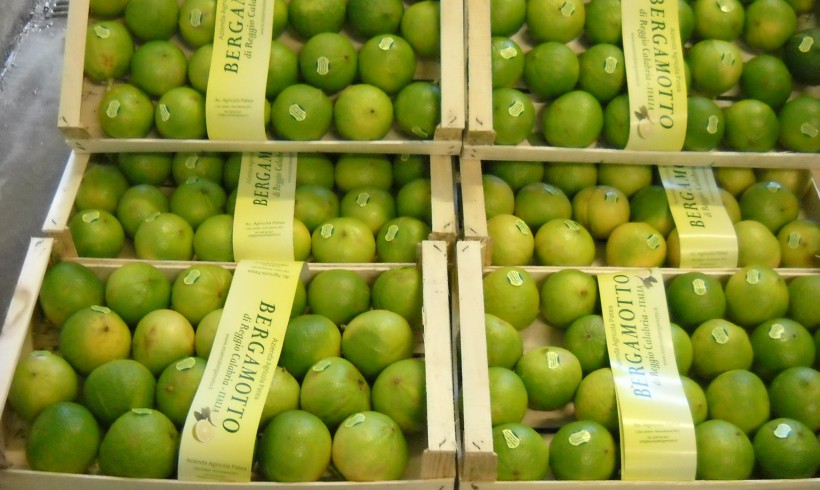
Classificato come citrus bergamia, il bergamotto è simile a un limone, anche se più piccolo, più tondeggiante e dal colore tendente al verde. La superficie liscia e la buccia sottile racchiudono una polpa dal sapore acido e amaro. Colpisce più di tutti il suo aroma, che a inizio raccolta richiama quello del basilico e della lavanda, mentre a fine raccolta acquisisce delle note floreali e fresche.
Le origini
Aroma pungente a parte, il bergamotto deve le sue peculiarità soprattutto alla zona di origine, la provincia di Reggio Calabria, l’unica dove può essere coltivato. Probabilmente deriva da una mutazione spontanea di un’altra specie (arancio amaro o limetta) avvenuta in Calabria, ma altre ipotesi ipotizzano origini straniere, tra Cina, Grecia, Pergamo (città dell’Asia minore) o Berga (città spagnola).
L’ Olio essenziale DOP
L’uso più noto del bergamotto è sicuramente in profumeria, per la preparazione dell’olio essenziale, oggi certificato a marchio DOP. Si racconta che a crearlo sia stato un italiano emigrato a Colonia, tale Gian Paolo Femminis, che nel 1680 diede vita ad una aqua mirabilis, una miscela a base di olio di bergamotto, oli essenziali di limone, arancia dolce, rosmarino e alcol a 90°.
Le proprietà del bergamotto
Numerose sono le proprietà attribuite al bergamotto nel corso dei secoli: proprietà farmacologiche, alimentari, dietetiche. Sottoforma di elisir è ottimo come digestivo, a livello di essenza viene usato nell’aromaterapia e come ingrediente per abbronzanti. Antisettico, salutare per il colesterolo, dall’effetto balsamico, il bergamotto è una fonte inestimabile di ricchezza.
Il bergamotto in cucina…
Ancora oggi c’è molto scetticismo sull’utilizzo del bergamotto in cucina; la sua prima apparizione risale al “menu di magro” offerto dal cardinale Lorenzo Campeggi all’imperatore Carlo V di passaggio per Roma. Un menu “magro” per modo di dire, dato che vi erano 200 portate, e tra queste figurava la presenza di 6 libre di bergamotti confettati.
… e la vocazione per il cibo di strada
Da sempre usato in pasticceria e in gelateria, il bergamotto è un ingrediente particolare, che si usa talvolta per contrastare la dolcezza di alcuni prodotti, come crostacei e gamberi o cacciagione.
In tema di street food, seppur molto poco noto, è il suo utilizzo nella sardella – il “caviale” calabrese a base di bianchetti e peperoncino – e nella ‘nduja – il salame piccante affumicato che con l’aggiunta del bergamotto risulta più leggero.